






What’s up, EqualityWorx fam? If you’ve been on TikTok, X, or basically anywhere on the internet recently, you’ve probably clocked the trending convo around American Eagle’s latest campaign featuring Euphoria and White Lotus star Sydney Sweeney. The controversy? A pun – yep, just a pun – about jeans and “great genes” has exploded into a major online debate about race, beauty standards, and whether brands are really as innocent (or inclusive) as they claim to be. Because what seems like a cheeky play on words to some, raises serious questions for others – especially in a climate where the U.S. is pulling back on DEI initiatives, and Gen Z globally is keeping a very close eye on who gets portrayed as “ideal” in media.
So… What Actually Happened?
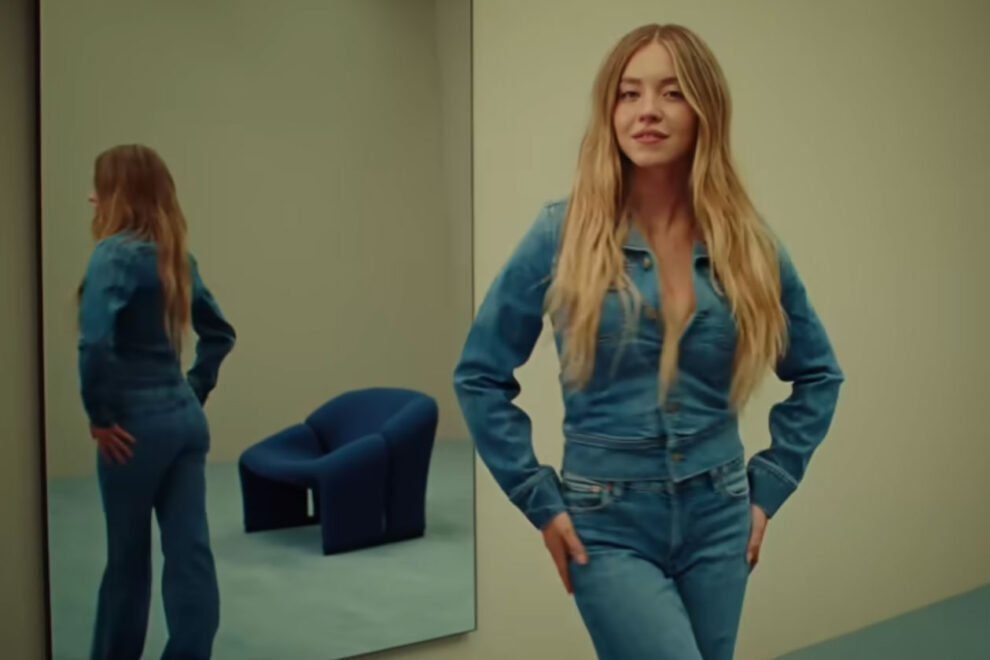
Sydney Sweeney appears in American Eagle’s new ad campaign, lounging effortlessly as the camera pans across her and she coos, “Genes are passed down from parents to offspring. My jeans are blue.” Another spot features a billboard that reads “Sydney Sweeney has great genes,” with “genes” crossed out and replaced by “jeans.” Classic wordplay? Maybe. But to many, it came off more loaded than lighthearted.
Why Some Saw Red Flags – Not Just Denim
To some social media users and activists, the tone of the campaign – centering a young, slim, blond, blue-eyed woman – paired with the reference to “great genes” felt like, well… a bit too close to eugenics-era rhetoric. The idea that some people’s genetic traits deserve praise (especially when those traits are historically label-associated with “white beauty”) hits differently in a world still grappling with who gets to be seen, celebrated, and sold. This isn’t about one actress. It’s about the bigger system of beauty advertising still holding on to a very narrow look of what “desirable” means.
Gen Z: Too Smart to Miss the Subtext
Irish Gen Z and second-gen youth live in a deeply multicultural, politically aware world, where authenticity and inclusion matter more than ever. Back in the U.S., DEI efforts may be getting rolled back in corporate boardrooms – but younger, global audiences aren’t going silent. According to a 2023 EY Future Consumer Index, over 90% of Gen Z rate “being authentic and true to oneself” as extremely important. But that also extends to media and advertising—we not only want honesty, but visibility and responsibility. So when you pair “great genes” with a spokesperson whose looks match 20th-century Eurocentric beauty ideals, and skip showing any real diversity in the campaign? Yeah, people are going to clock that – and call it out.
But Wait – Was It Actually Racist?
That’s the complicated bit. No, American Eagle didn’t explicitly push racist messaging. Likely, they intended the ad to be campy, cheeky, and Gen Z-friendly. But intent doesn’t cancel out impact. And when a brand uses loaded phrases without understanding (or acknowledging) the historical baggage attached to them, they risk touching off a cultural tripwire. As advertising expert Robin Landa pointed out, the term “great genes” has history – it was central to American eugenics ideology, which promoted white genetic superiority. Even if younger audiences don’t personally associate the term with that past, the echoes still matter. In a time when media moves globally in seconds, a “just-a-joke” in one country can come off as harmful or tone-deaf somewhere else.
Meanwhile, Gen Z Everywhere Is Still Holding the Line
While America wrestles with whether words like “diversity,” “equity,” and “inclusion” should be core values or corporate liabilities, young people globally are *doubling down* on their importance. Here in Ireland, second-gen Gen Zers are demanding broader representation in media, not filtered spectacles where whiteness is jokingly held up as gold-standard genetics. We’re navigating growing up between cultures, challenging racialised stereotypes, and still rarely seeing faces like ours in mainstream fashion ads unless it’s for tokenistic diversity points. So when brands play carelessly with imagery or wordplay rooted in past exclusion? We’ve got questions. We’ve also got receipts.
Know the Context, Feel the Impact
Let’s be real – language evolves. Culture shifts. Words acquire new layers and lose old ones. But in a hyper-connected, hyper-conscious era, brands can’t afford to pretend history doesn’t count just because somebody’s never heard of it. Do we need to retire every phrase with a dodgy backstory? Not necessarily. But we need brands to do the work – research, reflect, involve diverse voices in campaigns – and if they still cross a line, own up and do better. “Sydney Sweeney has great jeans”? Sure, sell your denim. But maybe next time, think twice before layering it with pseudoscientific, borderline supremacist symbolism.
Shape the Narrative, Second-Gen Squad! Gen Z, you’re calling out brands to keep it real and respect the weight of words. Got thoughts on inclusive campaigns or shady marketing? Share a 300–500-word story at equalityworx.com/submit or drop a TikTok with #EqualityWorxJeans – tag @EqualityWorx, and we’ll amplify your voice. Let’s demand brands do the work and make every vibe inclusive! #GenZPower #SecondGenVoices #RealTalkBrands #EqualityWorxJeans
Share this content:
Author
Join the EqualityWorx Vibe!