
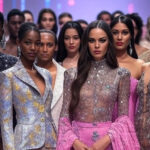




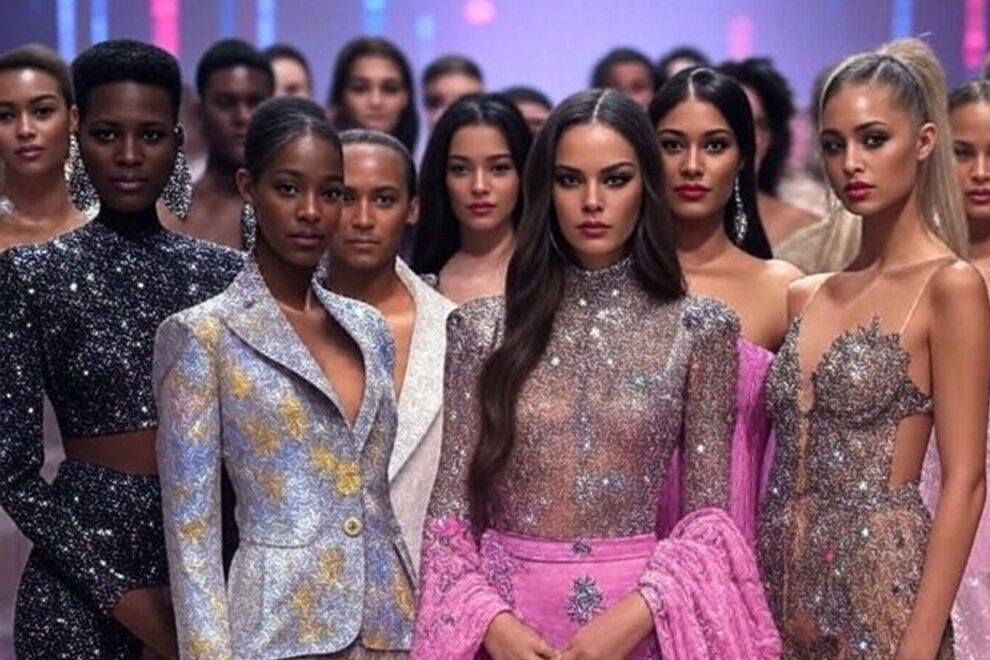

What’s up, EqualityWorx fam? In case you missed it: Vogue – yep, the fashion bible – just sent shockwaves through the industry by blending AI-generated models with real couture in its latest edition. Everyone from fashion nerds to tech geeks is buzzing, but what does it actually mean for Gen Z, second-gen youth, and anyone tired of those same old “aspirational” beauty standards? Could artificial intelligence do what the real-world fashion industry won’t: show real, diverse bodies.
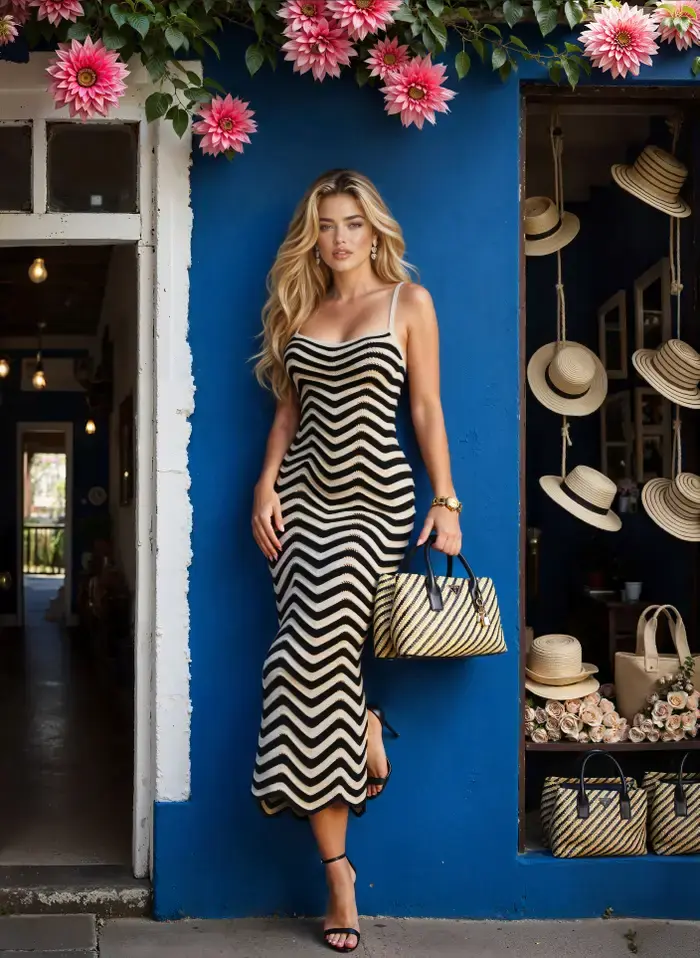
The Pros: New Faces, No Limits – Or Is It Just Tech Hype?
- Unlimited Possibility: AI models can technically be designed to look however we want – meaning fashion mags could show any ethnicity, body type, disability, hairstyle, or aesthetic with no excuses about “limited talent pool” or tradition.
- Potential for Diversity: When programmed right, AI could break out of the old, “matchstick-thin, Eurocentric” moulds that real-life runways cling to. Early AI-generated campaigns have imagined fuller bodies, LGBTQ+ stylings, or visibly disabled models.
- No Exploitation: Digital models don’t have to face the real-life pressures, eating disorders, or mental-health hazards that plague human models, especially young women and QPOC (Queer People of Colour).
- Speed and Cost: Brands can create a totally new “face” or look overnight, lowering costs and barriers for smaller, independent labels that want to compete with big players.
The Cons: Is It Really Progress – Or Smoke and Mirrors?
- Still “Aspirational” – Just Digital: Gen Z critics say AI models are still ultra-thin, flawless, and Eurocentric – replicating old beauty standards, just without a real person. Vogue caught heat for AI avatars looking nearly identical to traditional runway models.
- Missed Opportunity for Real Representation: Instead of giving gigs to diverse, underrepresented models with real stories, the industry risks shortcutting the movement for body positivity, race diversity, and inclusivity by making it “just pixels” instead of actual progress.
- Fake “Empowerment”: AI models don’t have lived experiences, so claims of “empowering” them just distract from empowering real people. As Shavonne Wong, a model and digital creator, told the NY Post, “It’s not a person breaking boundaries – it’s code in a computer.”
-
Job Opportunity Concerns: Many in fashion worry AI models could shrink opportunities for emerging human talent, especially from diverse backgrounds, as digital faces take up more space in ads and campaigns.
-
Boosting Unrealistic Beauty Standards: AI models often enhance idealised body types – like tiny waists and flawless skin – fueling body image issues and mental health concerns among teens and young adults.
Gen Z’s POV: Realness, Please (With Data)
Research shows Gen Z is done with fake, filtered, or inauthentic hype – 89% want brands to show “real people with real bodies,” and over 70% value diversity in campaigns. Even within Ireland, Irish Times reports that Gen Zers are calling brands out for performative “inclusion” without substance. On socials, commentary blew up around the Vogue edition – some liked the innovation, but most slammed the “same-old-but-digital” body types. When technology is capable of creating bodies of any size or type, but the same narrow standards – like size zero – are still chosen, it highlights a missed opportunity to promote real diversity.
So, Did Vogue Flip the Script?
Not really – at least, not yet. While using AI could open doors to wild new creative directions, right now, it’s mostly being used to reinforce what’s already out there: tall, thin, flawless “perfection.” If the industry wants to claim real progress, AI should be used to boost – not replace, marginalised and real voices, showing genuine stories, bodies, and beauty standards in all their messy, powerful reality.
The EqualityWorx Take
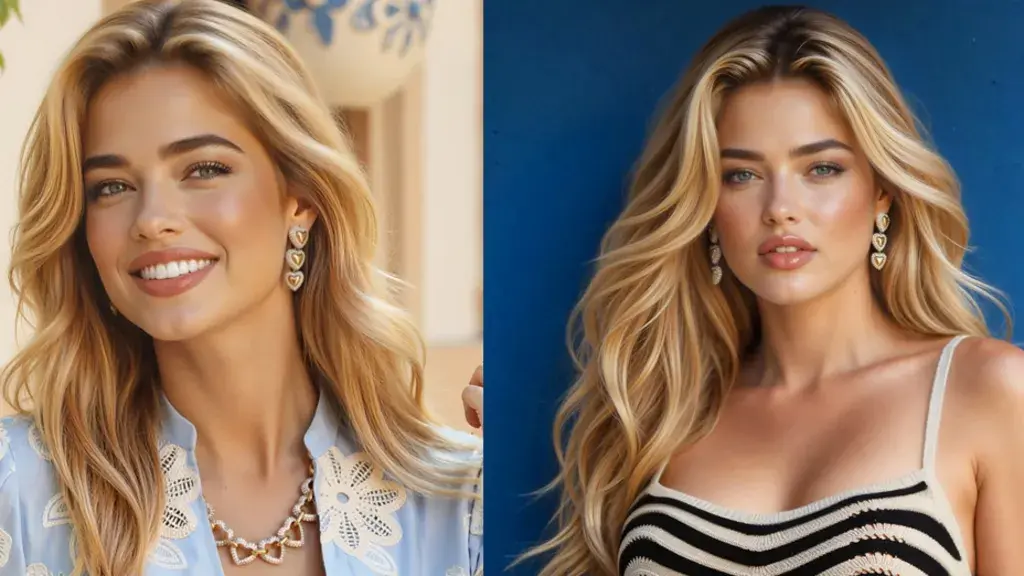
AI could be a game-changer – but only if it’s steered by people who want real diversity, not just Insta-trendy versions of the same old look. For Gen Z and second-gen youth hungry for representation, digital dreams mean nothing if the reality on the street, runway, and magazine page stays stuck on repeat. Vogue might be playing with the future – but Gen Z wants a future where everyone gets to see themselves, digital or not.
Join the Fashion Revolution! Second-gen Gen Z, your voice can reshape beauty standards. Got thoughts on AI models or ideas for real diversity? Share a 300–500-word story at equalityworx.com/submit or drop a TikTok with #EqualityWorxModels – tag @EqualityWorx
Share this content:
Author
Join the EqualityWorx Vibe!